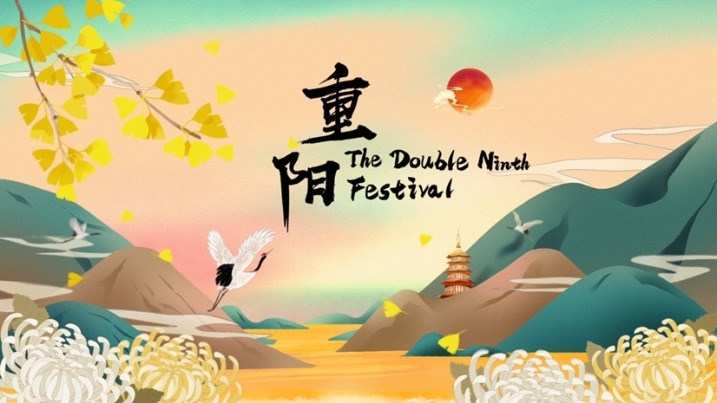
Double Ninth Festival
Introduction
The Double Ninth Festival, also known as Chongyang Festival, is a traditional Chinese festival celebrated on the ninth day of the ninth month in the Chinese lunar calendar. This festival holds significant cultural meaning, both historically and in contemporary times.
The numeral nine, pronounced as "jiu" in Chinese, is a homophone for the word meaning "long-lasting", and symbolizes longevity and eternity. The festival traditionally involves various activities like mountain climbing, drinking chrysanthemum wine and appreciating autumnal scenery.
Historical Background
It is deeply rooted in Chinese numerology, where the number nine is associated with yang, a positive and masculine force. The festival is sometimes associated with ancient Chinese practices of avoiding misfortune and seeking longevity.
The ancient custom of climbing mountains on this day was believed to ward off evil spirits, as the elevated altitude was thought to provide protection against diseases and misfortune.
Cultural Significance
The number nine holds cultural significance in China not only for its phonetic similarity to "long-lasting" but also because it is the highest single-digit number, representing ultimate power and completion. The festival's association with double nine signifies doubling these auspicious qualities, thereby symbolizing a wish for a long and healthy life.
During the Tang Dynasty (618–907 AD), the traditions of the Double Ninth Festival were further enriched, and it became popular to drink chrysanthemum wine and wear dogwood twigs. The chrysanthemum, a flower that blooms in the fall, came to symbolize resilience and longevity, and it is often enjoyed during the festival for its beauty and medicinal properties.
Traditional Activities
Mountain climbing is one of the most prominent customs of the Double Ninth Festival. This tradition originates from the belief that ascending to high places can help avoid evil spirits and misfortunes.
Wearing dogwood twigs (Cornus officinalis) is another tradition dating back to ancient times. Dogwood is considered to have medicinal properties that protect against infections and repel insects. People often wear sachets containing dogwood leaves and fruits, which are believed to have the power to expel evil spirits and diseases.
Chrysanthemums, blooming in late autumn, are an essential element of the festival. These flowers symbolize elegance, resilience and longevity. In many regions of China, festivals featuring chrysanthemum displays are held, where people gather to admire the vibrant blooms, participate in poetry readings and enjoy cultural performances.
Drinking chrysanthemum wine is a traditional practice that enhances the festive spirit. It is believed that this wine can prevent diseases and maintain good health.
Double Ninth Cake, also known as Chongyang Cake, is a festive food associated with the festival. Traditionally made from glutinous rice flour and other ingredients like nuts and seeds, the cake is often topped with colorful decorations. The cake symbolizes the wish for advancement and success.
Modern Celebrations
In modern times, the Double Ninth Festival is also recognized as a day to honor and show respect to the elderly. This transformation into a day dedicated to senior citizens was officially recognized by the Chinese government in 1989, as part of efforts to promote traditional virtues of respect and care for the aged.
Contemporary celebrations of the festival often include family gatherings, where younger generations visit their elders to express respect and gratitude. Families might go on outings to enjoy autumn scenery, climb mountains, or participate in cultural events. Traditional foods such as Double Ninth cakes are prepared, and chrysanthemum wine is consumed as a symbolic gesture of health and longevity.








